
Wait, The Night Isn’t Over Yet: The Spirit of Moreh
- Mirsyad
- 3 hours ago
- 3 min read
Lately, afternoon teas have given way to “Jom moreh!”. As Ramadan nears its end, Mirsyad, our Food and Travel writer, captures the beauty of late-night treat runs and the culture built around them.
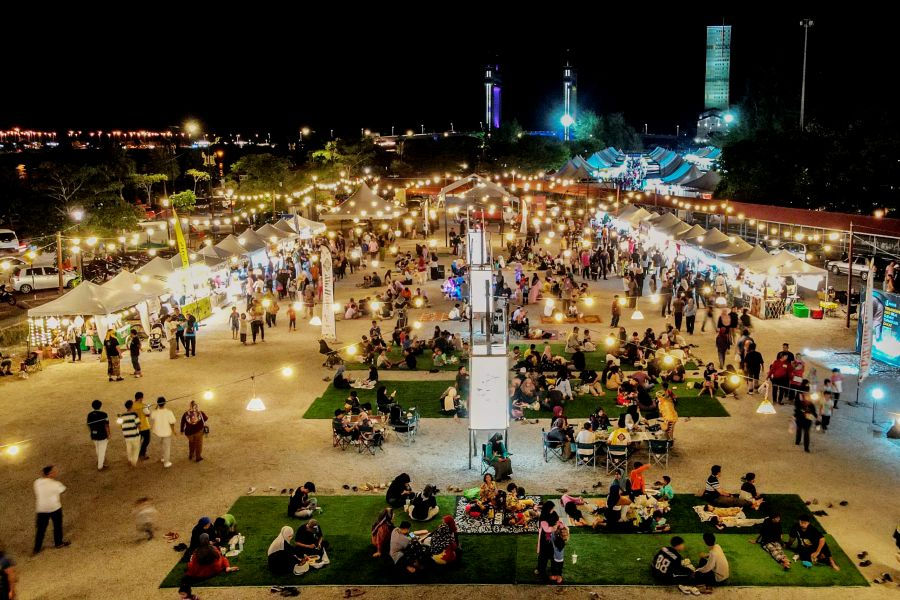
Ramadan changes the rhythm of Malaysian cities.
While the day tends to feel slower and quieter, shaped by fasting and reflection, the nights feel entirely different. After terawih, the city begins to fill with activity again as people head in search of food. At the centre of this late-night energy is a tradition known as moreh.
Traditionally, moreh was never meant to be a grand feast. It was a humble, community-driven moment – a quick gathering at the mosque porch over tea, crackers or a few pieces of kuih-muih to recharge after terawih. It was about the simple act of sitting together before heading home. But if you walk through the streets today at 1 a.m., you'll quickly notice that the younger generation has extended the same spirit far beyond the mosque compound.

What once happened on a mosque porch now often takes place in mamak stalls, cafes and dessert shops across the city. Local business owners have caught onto this rhythm as well. During Ramadan, spots like Inside Scoop or the aptly named Burung Hantu become the heartbeat of the night. Even in quieter pockets like Semenyih, the energy is undeniable. You’ll find crowds flocking to UNM-favourite spots like Cerita Matcha for their fix of a late-night matcha or a trip to fifty seven coffee for shared pizzas and brews into a communal event.
The usual closing time becomes peak hour instead — it is not unusual to see groups of friends huddled over a shared plate of dessert. It's a local late-night social culture that feels both old and new, turning a modest post-terawih into a reason to dress up, venture out and stay awake just to keep the conversation going.
Moreh gatherings at Cerita Matcha in Semenyih.
But this midnight rhythm isn't just sustained by the crowd. It's held up by the silent workers behind the counter, and by the quiet hustle of the baristas and mamak uncles who have flipped their lives upside down for the month. They’ve mastered the art of the 2 a.m. rush, pulling espresso shots and flipping roti canai with the same energy most people reserve for the midday peak. Behind every plate brought to the table are the hands ensuring the city remains fueled while the rest of the world sleeps.
There is a unique feeling to this stretch of the night as it nears 3 a.m, and the funny reality is that many people just “stay up all the way” until sahur. It is a temporary suspension of the normal biological rules and the 9-to-5 expectations that govern our lives the rest of the year. It’s always interesting to see the crowd split: those heading home to catch a few hours of sleep and those who have committed to the all-nighter, waiting it out until the pre-dawn meal.

Yet the most interesting part of the moreh is not necessarily the food but the company. Because these eateries stay open so late to accommodate Ramadan crowds, they often become gathering spaces where people from different backgrounds meet. Many of these get-togethers include friends who may not be fasting but still take part in the social side of the tradition, something that feels natural in a multicultural country like Malaysia, where food has long been an unspoken language. Moreh reflects that shared habit of gathering around a meal–where the invite is open, the chairs are extra, and the conversation is more important than the clock.
In many ways, the spirit of moreh shows how traditions can evolve without losing their purpose. Whether it takes place at the mosque over tea or at a mamak in the early hours of the morning, the essence remains the same, people gather after prayers to talk, reconnect and extend the night a little longer.
At the end of the day, moreh is just a reminder that the best conversations happen when the world is quiet. So if you’re still up, head out and find a spot — there’s definitely a chair for you.


Comments