
Brandy Melville: Is This Fashion Hell?
- Caitlyn
- Apr 22
- 5 min read
A teenage girl may look at Brandy Melville models with envy, but what is it about these “one-size-fits-all” pieces that makes them so irresistible? Our Beauty and Style writer, Caitlyn, explores the appeal behind the trend and the concerns that follow.

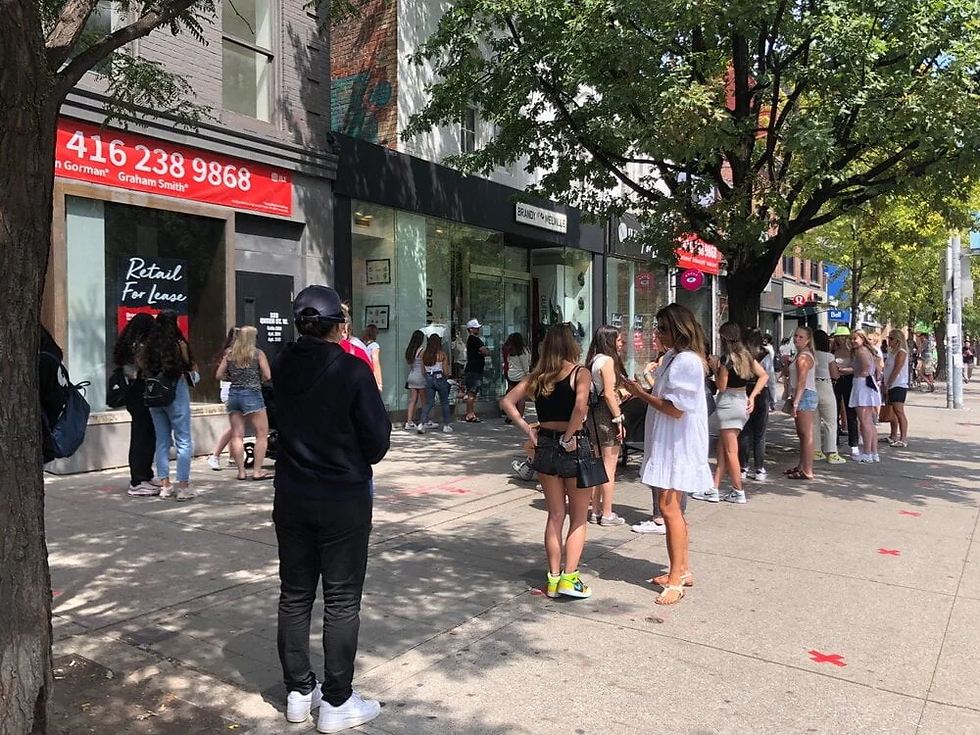
Brandy Melville took over the clothing world by storm. Since the 2010s, the brand has experienced a surge in popularity amongst female American teenagers and young adults. Until today, most youths yearn to be “that Brandy Melville girl”, dressed in the trendiest, aesthetic style everyone adores. Their ridiculously long lines speak for themselves.
It is safe to say that the brand’s journey to success owes it to its “one size fits all” strategy catered to the petite girls around the world. However, there is a silver lining. From body-shaming accusations to toxic workplace cultures, the brand has been associated with several controversies throughout its years of operation.
So, does Brandy Melville really deserve its title as America’s “it” girl clothing brand, or is it time for its outdated values and business strategies to change?
Brandy’s History
Brandy Melville is a multinational fast-fashion clothing company owned by Stephan Marsan, the son of Italian founder Silvio Marsan. First created in Italy in 1980, the first American store was opened in 2009 in the Westwood area of Los Angeles, and it has grown to nearly a hundred stores globally.
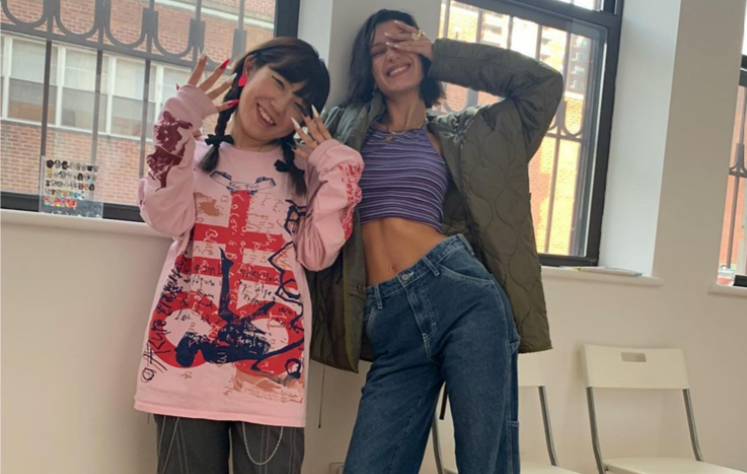
Over the last decade, Brandy Melville has slowly procured its cult following by heavily relying on social media, with iconic celebrities like Bella Hadid and Kaia Gerber spotted wearing this status symbol via TikTok and Instagram. It embraced digital marketing long before many other fashion brands began doing so.
Chronically online Gen Z girls become prone to believing that their influencers and celebs, with whom they find authenticity and relatability, know what’s best. After all, they are the embodiment of the “cool American girl”. Brandy’s fitted ribbed tank tops, graphic tees, and mini skirts have evolved into fashion staples in almost every American high school.
One Size Fits All
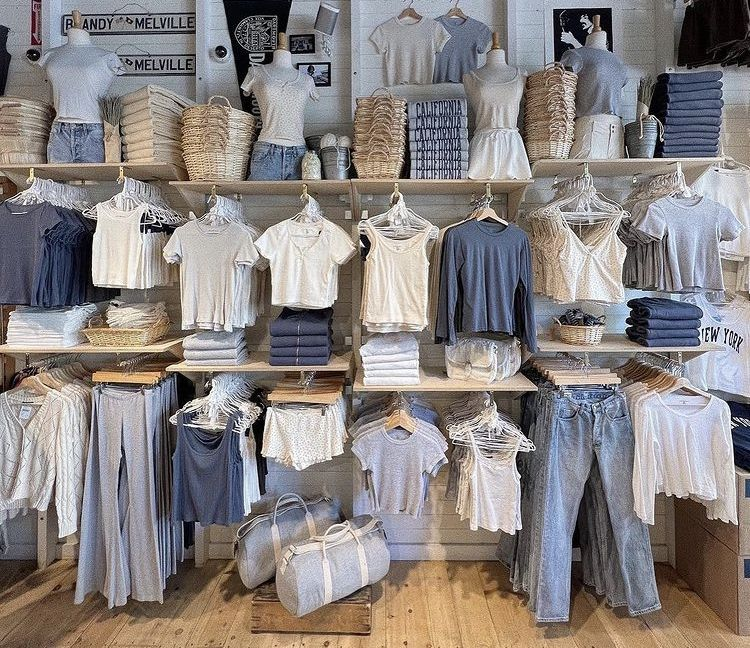
Since its opening, Brandy Melville has always stood out for its “one size fits all” model, only making their clothes in size small.
On paper, the lack of diversity within Brandy’s outfits should have led to a decline in consumer interest, given the recent growth in body positivity movements across America. Yet, the company still flourishes, as conformity ultimately overrules diversity among this generation of media-influenced youths. To fit in, girls have no choice but to display their exclusive Brandy clothing, no matter the cost.
However, not all teenage girls are blind to this. Many have criticised that the one-size strategy promotes “fat shaming” and the skinny aesthetic, as they were compelled to transform their healthy bodies into unnatural ones. As pointed out by a Sage article, “Brandy Melville’s 'one size fits small' policy reinforced harmful beauty ideals, promoting a singular body type as the standard of beauty.”
Many of Brandy’s Instagram posts, often featuring skinny models dressed in disposable outfits, stirred major conflict in their comments. One girl states, “I considered starving myself to fit back into your clothes again”, while another user writes, “It's 2019: stop indirectly causing eating disorders within young girls.” This shows that Brandy’s manipulative business decisions are not only gateways to mental health scares, but also physical health issues that stem from eating disorders such as anorexia, bulimia, or binge eating.
Brandy “Hell”ville
In April 2024, the documentary film Brandy Hellville & The Cult of Fast Fashion was released by HBO Originals. Directed by Eva Orner, the documentary highlighted the voices of ex-employees, who described discriminatory and unprofessional behaviour by the company’s owner, Stephen Marsan.
It was reported that several employees developed eating disorders during their time working at Brandy Melville and were at risk of dismissal if they failed to maintain the company’s preferred body image: pale complexions, thin legs, and blonde hair.
According to former associates, Marsan rejects anyone he deems as overweight or dark-skinned. His prejudice was further proven by racist and misogynistic jokes that were soon identified in a company executive chat. It was stated that two racism-related lawsuits have been filed against Brandy Melville.

The Horror That is Fast Fashion
When we think of fast fashion, it’s almost certain that brands like Shein and Temu come to mind, renowned for mass-producing textiles and selling them at unreasonably low prices. What many of us don’t know is that even the most famous fashion names are entitled to this lazy, unethical business framework - including Brandy Melville.
“Worse, too, in the company’s dogged pursuit of a business model that, like other fast fashion retailers such as Zara and H&M, prioritizes churn and zeitgeist over quality, clogging landfills and exploiting cheap human labor,” writes Adrian Horton in her Guardian article.
In the same documentary, it was reported that several of Brandy Melville’s fast fashion factories were utilising unethical labour practices across Italy, with workers experiencing unfair wages, hazardous working environments and extremely long working hours. Not only that, a substantial amount of secondhand, worn Brandy clothing was identified knee-high deep on the polluted beaches of Ghana. Fast fashion products are often made of synthetic fibres derived from non-biodegradable fossil fuels, therefore causing them to remain in landfills for centuries.
Research has shown that the fashion industry is responsible for 8-10% of global greenhouse emissions, even exceeding those from international flights. There is no doubt that Brandy Melville is perpetually adding to the consequences.

Closing Thoughts
As of late, Brandy Melville has yet to respond to objections about their flawed business decisions and has continued to move forward with their lucrative practices. According to statistics from the Wall Street Journal, Brandy Melville experienced a $43.9 million increase in revenue since 2019. Unsurprisingly, their nationwide popularity has overshadowed their dark, murky secrets behind closed bars.
Although criticisms have been raised on a federal and international level, ranging from documentary to widespread environmental complaints, they have yet to affect Brandy in the slightest. The brand is growing exponentially, introducing new stores in the rest of Europe and Asia, where consumer market shares are sky-high: no apology, no brand shift, just more clothes.
Well, if Brandy Melville's decisions fail to change, ours can. We, consumers, have the option to support genuine, properly produced clothing stores in our local cities. Although they are often smaller and less well-known compared to the fashion giants, that is often what allows true passion to show in their work. Another alternative is thrifting for second-hand clothing, or simply stealing from your mom’s old closet!
It is important to adopt wise spending habits, as it ultimately reduces waste in the long run. If your wardrobe already contains more than enough clothes, I promise there is no need to get that trendy Brandy top everyone wears. Take the time to discover your own style for your uniquely made body! It is responsible consumer habits like these that will hopefully catalyse the change the world needs to see in the fashion industry.


Comments