
The Clean Girl Aesthetic: Effortless or Too Much Effort?
- Amelie

- Nov 15, 2025
- 3 min read
"Clean" used to be simple. Now it's glowy skin, makeup that looks like you woke up like this, and a slicked back bun. In this article, Amelie explores whether the Clean Girl Aesthetic is actually as effortless as it seems... or just really good at pretending.

Cottagecore. Mob wife. VSCO Girl. Clean girl. Our TikTok For You Page seems to be seeing an endless flow of trends every day. These trends are always changing; to say it’s overwhelming would be an understatement.
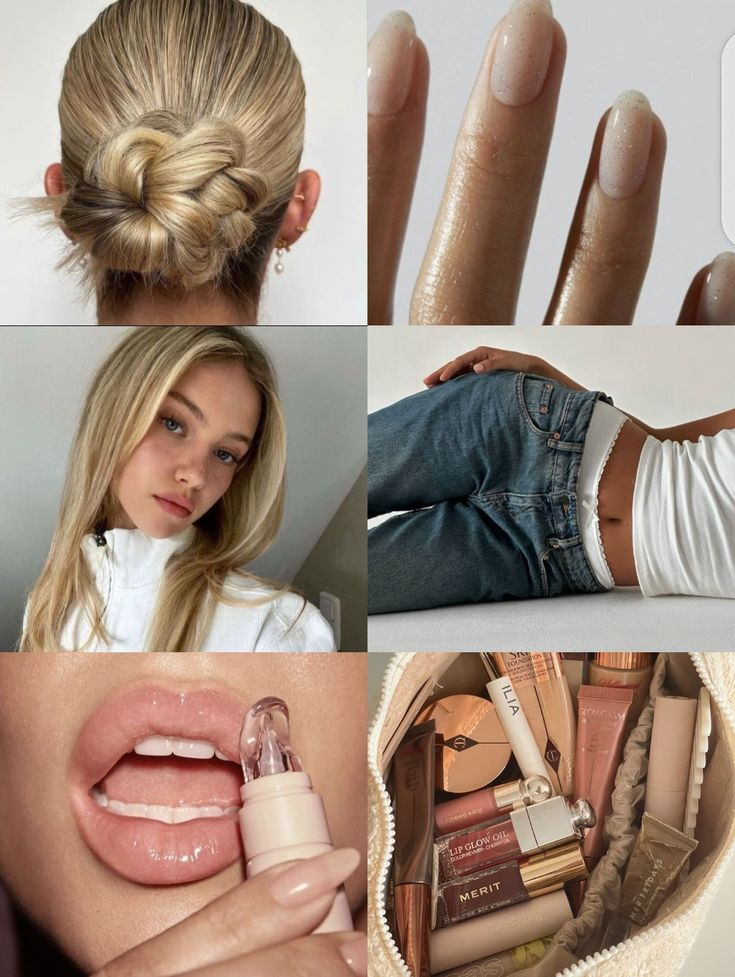
Now we’re witnessing the takeover of slick buns, glowy skin, gold hoops — the Clean Girl Aesthetic. This trend has captured the attention of many, favouring a sophisticated and elegant look built on a wardrobe of neutral colours (beige, brown, white), dewy skin, subtle makeup and minimal accessories such as gold hoops, simple rings or bracelets. At its core, this aesthetic is meant to reinforce the idea that less is more; simplicity is the ultimate sophistication.

Hailey Bieber’s Rhode Beauty, known for its minimalist packaging and products that promise a glowy finish, is a staple brand linked to the Clean Girl Aesthetic. The magic ingredient of this brand is — without a doubt — Hailey Bieber herself: the human personification of the aesthetic. With her effortlessly cool vibe and celebrity influence, Bieber invites Rhode fans into her world, encouraging women to embrace their natural beauty with a touch of refinement. Then there’s Glossier, the OG of minimalist beauty, back in the spotlight thanks to TikTok. Glossier's 'Skin First, Makeup Second' mantra says it all — it's all about skincare that gives you that effortless, dewy glow.
But…this aesthetic isn’t as simple to achieve as it claims to be.

Everything about this trend avoids anything that can mess up that sparkly clean image, an image that’s only possible to maintain if you have the time to do almost nothing at all. And let’s face it: the ‘effortless’ looks are not cheap. Take a look at the Clean Girl beginner’s kit: a Glossier lip gloss, Rhode Glazing Mist, and most likely a fancy tote. That’s going to take a toll on your wallet.
Another issue with this trend is it only seems to centre around a very specific body type. Most of the girls making TikToks about the Clean Girl Aesthetic are slim, which can make those with different body types feel excluded. This narrow representation hence reinforces unrealistic and limited beauty standards.
Let’s also not forget, where is the diversity in this aesthetic?
Social media has largely accepted the idea that “clean girls” are usually white, crediting them as the creators of this aesthetic. This is absurdly untrue, as women of colour have been embracing and embodying this aesthetic long before it went viral.
Gold hoop earrings? Been a trademark for a long time among Black and Latin communities. Icons such as Diana Ross, Donna Summer and Nina Simone popularised these earrings, turning hoops into symbols of pride and glamour. Gold jewellery was also central to the chola aesthetic of the 90s where shiny, clear lip gloss and slicked-back hair were expressions of cultural identity and independence. And for generations, Desi women have been oiling their hair, creating that slicked-back look long before it became a Tiktok-approved trend. So why is it that something scorned when worn by women of colour suddenly becomes the new standard when white girls decide it's trendy?

Although there have been attempts to address these issues by influencers on TikTok, they’re constantly criticised for being “too sensitive” and “dramatic”, when it’s anything but. It's not dramatic to question why certain fashions and cultural practices were once mocked, yet are now admired, especially when the cultures that originated them still aren’t receiving the credit they deserve.
It’s true that TikTok’s style aesthetics make self-expression more fun. But these microtrends also feed the cycle of overconsumption and fast fashion, while pushing beauty standards that change faster than anyone can keep up with. Your personal style shouldn’t be at mercy of what’s trending online; it’s simply far better to style yourself in whatever makes you feel confident and comfortable.


Comments