
This Article Is an Illusion: The Now You See Me Franchise
- Zainy Aryf

- 23 hours ago
- 4 min read
Where Cinema, Nostalgia, and Misdirection Collide.

Nine years is an unusually long pause for a mainstream Hollywood franchise. Long enough for trends to shift, audiences to grow up, and cinematic tastes to evolve. Yet when news of Now You See Me 3 emerged — nearly a decade after Now You See Me 2 (2016) — the reaction was swift and surprisingly enthusiastic. The franchise reappeared almost effortlessly, much like one of its own tricks: unexpected, dramatic, and met with collective intrigue. It raises an interesting question: how did a series built on illusion manage to pull audiences back in so completely after such a long absence?

Now You See Me (2013) introduced audiences to the Four Horsemen, a group of charismatic magicians who blend stage illusion with high-stakes crime. From the beginning, the franchise positioned itself at the intersection of magic, spectacle, and heist cinema. Its appeal was never rooted in realism, but in confidence. The film moved quickly, dazzled with visual flair, and leaned into the theatrical nature of magic rather than attempting to ground itself in logic.
This approach worked. Viewers were drawn to the ensemble cast, the clever twists, and the feeling that they were constantly being misdirected. The film’s central message—that the trick matters more than a realistic explanation—wasn’t a dismissal of storytelling, but a celebration of it; the franchise thrives on grand reveals, layered narratives, and the understanding that the most powerful magic lies in how the story is told and when the truth is finally unveiled.
The sequel expanded the universe further, introducing larger conspiracies, more advanced technology, and higher stakes. While Now You See Me 2 divided audiences more sharply, it maintained the franchise’s identity: glossy, fast-paced, and unapologetically theatrical. By the end of the second film, however, it seemed as though the magic might have run its course.
And then, silence.
In an industry where franchises are often milked relentlessly, the long gap between movies might have been expected to kill momentum. Instead, the opposite happened. The announcement of a third film reignited interest almost instantly.

One major factor is nostalgia. Now You See Me belongs to a very specific era of the early 2010s, when mid-budget, concept-driven blockbusters thrived. Revisiting the franchise feels like returning to a time before streaming algorithms dominated viewing habits, when films were allowed to be bold, messy, and slightly absurd.
There’s also the nature of magic itself. Unlike superhero franchises that rely heavily on evolving visual effects and interconnected universes, magic taps into something timeless: curiosity. Audiences enjoy being fooled. They enjoy not knowing how something works. That desire doesn’t age.
Social media has amplified this effect. Short clips, nostalgic edits, and fan theories circulate easily, reframing Now You See Me as a cult favourite rather than just a flashy heist series. The long hiatus may have even helped: the absence allowed anticipation to build, turning the franchise’s return into an event rather than an obligation.
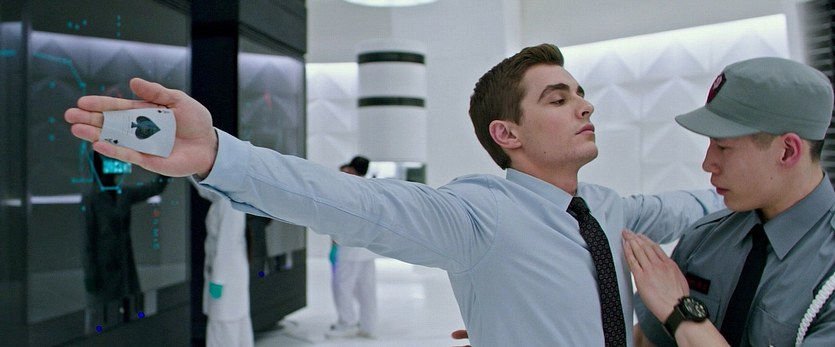
Magic occupies a unique position in cinema. At its core, film itself is an illusion—a carefully constructed reality designed to make audiences feel something. Magic-themed films embrace this idea explicitly, asking viewers to participate in the deception.
When done well, magic on screen creates wonder. It mirrors the experience of watching a live magician: you know there is a method, but the pleasure lies in not seeing it. Now You See Me understands this and prioritises spectacle over explanation. The films rarely dwell on how a trick works, choosing instead to focus on timing, presentation, and surprise.
However, this approach can be polarising. Some viewers find the franchise exhilarating, while others criticise it for stretching plausibility too far. As the twists become more elaborate, the line between clever misdirection and narrative convenience can blur. When everything is a trick, the stakes can feel less real.
Yet perhaps this criticism misunderstands the franchise’s intent. Now You See Me is not attempting to document magic realistically—it is performing it. The exaggerated twists, impossible reveals, and last-minute reversals are part of the show. The films ask audiences to stop searching for logic and start appreciating illusion.
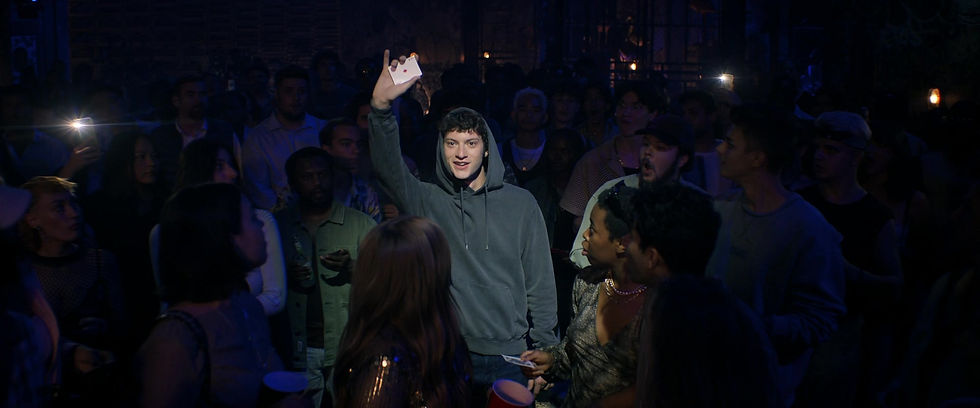
With Now You See Me 3, the franchise faces a new challenge: proving it can still surprise an audience that has grown more media-literate and harder to impress. Plot twists are expected. Spectacle is no longer rare. The question is whether the series can adapt its illusions to a modern cinematic environment without losing its identity.
Still, the renewed excitement surrounding the third film suggests that audiences are willing to give it a chance. There is comfort in returning to a familiar trick, even when you know you might be fooled again. In a media landscape often saturated with seriousness and spectacle fatigue, Now You See Me offers something lighter—an invitation to be entertained rather than convinced.
Ultimately, the franchise endures because it understands a simple truth: people don’t watch magic to uncover the secret. They watch to feel the thrill of not knowing. And just like any good illusion, Now You See Me reminds us that sometimes, the closer we look, the less we see.


Comments