
Has Technology Drained the Soul from Sound?
- Nuraiah Binte Farid

- Feb 15
- 3 min read
It’s a constant guessing game: which artists on your playlist are actually AI? Our Music writer, Nuraiah, unpacks the give-and-take between technology and music, and asks “are we facing a soul drought?”

There’s a kind of nostalgia that hits when an old song plays not just because of the melody, but because it reminds us of a time when music had a heartbeat.
When Music Had a Pulse
Before technology took over studios, music was raw and imperfect, beautifully human. Every crack in a singer’s voice, every breath before the chorus, every offbeat strum told a story. You didn’t skip songs; you lived through them. Cyndi Lauper’s laughter, Bryan Adams’ ache, Tupac’s honesty, and Lata Mangeshkar’s haunting purity; these weren’t engineered; they were felt.
Listening was an experience, not an algorithm. People rewound cassettes with pencils, waited hours by the radio for a favorite song, or burned CDs for someone they liked. It was a ritual that made music personal. There was no “shuffle culture,” no instant skip button, just patience and emotional investment.
Music existed as a form of storytelling. It carried the weight of heartbreak, rebellion, and hope unfiltered and unedited. The artist was the master, not the machine.
The Digital Revolution: The Blessing and the Curse
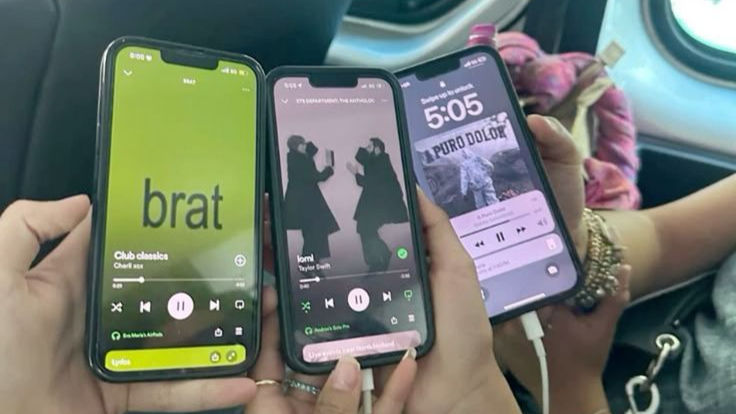
Then came technology’s takeover: Napster, iTunes, and YouTube changed everything. Suddenly, music became accessible to everyone. A teenager with a laptop and cracked production software could go viral overnight. This was revolutionary. Music became democratic no record label gatekeeping, no expensive studios.
But with freedom came noise. As production became easier, so did replication. Beats were recycled, lyrics became simpler, and songs began to sound the same. Artists were no longer competing for artistry but for attention. Suddenly, it wasn’t about writing a song; it was about writing a moment that could trend.
The rise of autotune in the late 1990s shifted the soundscape even more. Originally designed to fix minor pitch issues, it quickly became the industry’s favorite shortcut. Instead of polishing talent, it began masking it. Autotune turned voices into effects, clean, robotic, flawless, and in doing so, stripped away the imperfections that once made music human. The emotional cracks that made artists unique were replaced by uniform gloss.

Enter AI: When Machines Start Singing
If autotune blurred the line between art and artifice, Artificial Intelligence has now erased it. Today, AI can compose, produce, and even sing. It can generate a new Tupac verse or recreate Freddie Mercury’s voice with chilling accuracy. Producers and labels use AI to cut costs, create faster, and sometimes replace human creators altogether.
The result is impressive but unsettling. AI can generate harmony in seconds, write lyrics that rhyme, and even imitate emotion. However, it can’t experience the heartbreak that goes into creating a tune. The real danger here lies in how easily convenience becomes exploitation. When companies start training models on existing songs without permission, they profit from the creativity they didn’t earn.
The difference between autotune and AI is that autotune still needs a human voice; AI doesn’t. It can make entire tracks without a singer, songwriter, or instrumentalist. It’s efficiency without empathy, and that’s what makes it so dangerous to art.
Yet, it’s not all dystopian. When used responsibly, AI can do good, restoring damaged recordings, preserving old voices, or helping disabled artists compose music they otherwise couldn’t. The issue isn’t the technology itself, but how we use it — whether AI becomes the artist or the assistant.
The Future Needs Both Heart and Hardware
Maybe the real challenge isn’t to reject technology, but to redefine our relationship with it. Musicians and producers should have the choice to explore its possibilities: let AI remix the classics, clean up old tapes, or help new creators experiment, but it should never replace the human core.
Someday, when the digital noise eventually fades, it won’t be the auto-tuned hits or AI-generated tracks that people remember. It’ll be the songs that hurt a little, the ones that sound like heartbreak, rebellion, or joy. The ones that remind us that imperfection was never the enemy, it was the art.
Music has always evolved from vinyl to streams, from live performances to virtual concerts. But no matter how far technology goes, music’s purpose remains the same: to make people feel. As long as that stays true, it won’t matter how advanced our tools get.

Because music, at its core, was never just about sound. It was and always will be about the soul.


Comments