
Behind The Women Architecting African Sound
- Precious
- Apr 15
- 4 min read
We love a good Afrobeat song on the daily drive or while getting ready, but how often do we think about the African female artists helping shape the sound we love? Our music writer, Precious, takes a closer look.
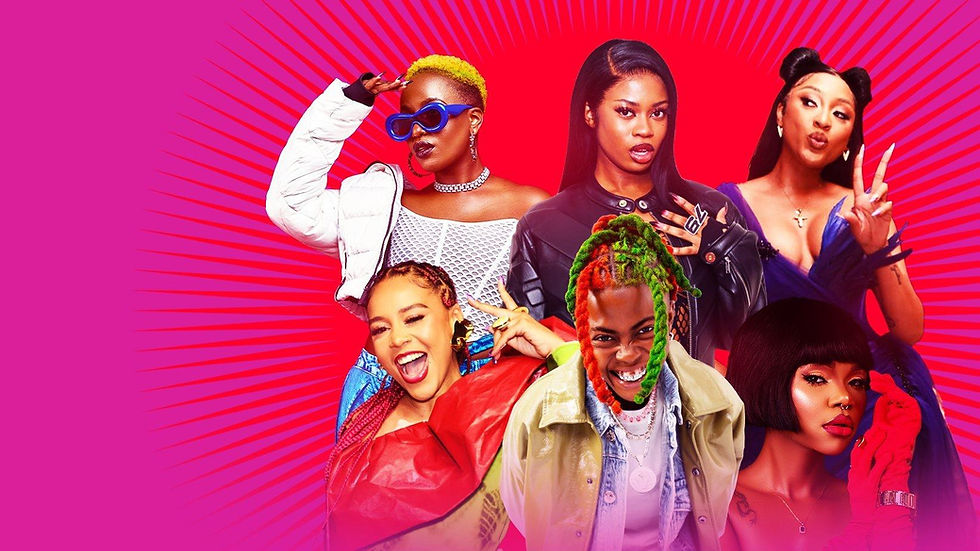
Women’s Redefinition of African Sound
African music is experiencing one of the most visible global expansions in its history. Afrobeats are filling arenas in Europe and the Americas, Amapiano is dominating dance floors from Lagos to London, and African artists are increasingly defining global pop culture conversations. Yet, the story of this rise is often told through the achievements of male superstars.
In celebration of Women's History Month, the question is simple: how has women’s role in shaping the sound and direction of African music shifted?
From Feature to Frontline
For years, women in many African music scenes were highly visible but not always highly recognised. They helped define the emotional texture of songs, while production spaces, DJ booths, and creative direction often remained male-dominated. From figures like Black Coffee who significantly shaped House Music to DJ Maphorisa on Amapiano’s production style and collaborative dynamics to Master KG's hit Jerusalema, all showcased how male creatives tend to dominate viral cultural phenomena, highlighting a gender imbalance in the industry where female voices are prominent, but male influences often control the production landscape.
A rapidly evolving dynamic
South African DJ and producer Uncle Waffles is one of the clearest examples of a change. Her sets are not just about technical mixing; they feel like full cultural moments, combining dance, crowd energy, and an instinctive understanding of the genre’s pulse. Her rise reflects a broader change in who gets to define not just the sound, but the atmosphere surrounding it.

A similar quiet transformation is happening through the work of Nigerian artist Tems, whose soft yet commanding voice has redefined what presence in Afro-fusion can sound like. Rather than leaning on the loud bravado often associated with Afrobeats, Tems draws listeners in with tracks like ‘Love Me Jeje’ and ‘Burning’ proving that subtlety can be just as powerful.


In African rap, Sho Madjozi brings another dimension entirely with smash hits like ‘Huku’; a beautiful blend of the Tsonga language, bright visual storytelling, and high-energy performances to show that cultural specificity can thrive on global stages.

Redefining Lyrical Power
Historically, African rap and dancehall have often centered male perspectives of wealth, dominance, competition, and hyper-masculinity. For female artists entering these spaces, the expectation was often either to mirror that bravado or remain confined to romantic themes.
Now, themes of ambition, pleasure, emotional complexity, and sexual autonomy are increasingly present in women’s writing across genres. Ghanaian-American artist Amaarae, for example, has built a distinctive lane within Afro-fusion and alternative pop. Her airy vocals and genre-blending production challenge expectations of what African pop should sound like, as her lyrics often explore identity and freedom.

Similarly, Nigerian star Yemi Alade has built one of the most enduring careers in modern Afropop. Her 2014 hit ‘Johnny’ became a continental breakthrough, gaining massive traction across Africa and online platforms and helping establish her as one of the genre’s most recognisable female voices.

With this sonic evolution, women are expanding the emotional and thematic vocabulary of African music, proving that strength can be expressed through confidence and introspection.
Sound Foundation Laid, What About The Image?
Image has always been inseparable from music culture, but female artists are increasingly refusing to let it be dictated for them.
Nigerian singer Ayra Starr, for instance, balances youthful energy with striking confidence. Her aesthetic reflects a generation that refuses to separate femininity from authority. Styling, choreography, and branding are no longer merely industry expectations; they have become tools of artistic strategy.

The Industry Shift
Behind these artistic changes lies a deeper structural transformation. The rise of streaming platforms and social media has weakened the hold of traditional systems that historically favoured male producers, executives, and networks. Artists can now release music directly to audiences, build global fan communities, and maintain creative independence.
For many female artists, this shift has created opportunities to bypass industry hierarchies that once limited their visibility. Perhaps one of the clearest indicators of this shift is the rise of South African artist Tyla. Her global breakout and Grammy’s win for Best African Music Performance for ‘Water’ and ‘PUSH 2 START’ marked a historic moment not only for her career but for the visibility of female African artists on a global stage.


Fan communities also play a major role. Online spaces amplify female-led music movements, turning songs into viral moments and ensuring sustained attention around women’s releases. Economically, the implications are substantial. Female artists are increasingly headlining tours, leading festival line-ups, and driving streaming numbers across the continent and diaspora markets.
Rewritten Architecture
The influence of Female African artists now reaches beyond individual songs. It can be heard in changing production styles, new lyrical perspectives, and the visual identities that define modern African pop culture. For younger audiences in particular, these artists are not just performers; they are hit makers, cultural shapers, and architects of the trends that move the industry itself.


Comments